



Georgie Exinord — FLATBUSH
Georgie Exinord is a Haitian-American storyteller from Harlem, NYC. She cites her rich cultural heritage and community of mentors for largely influencing her artistry because she knows it’s not just her story that will be channeled through her storytelling. It’s the story of a family, a community, and a far-off island called Haiti. It is the story of growing up Black in the hood, yet somehow making it out. It is also the story of New York City. The urgency of these stories pushes her every day.
“Throughout this residency, one thing remained constant: my fervent belief that your stories are already within you. Because of that, I would never dream of teaching anyone how to write. To do so would flatten the richness of cadence, memory, and language earned through the mosaic of one’s lived experience. Instead, my role became one of emotional midwifery, creating the conditions through writing exercises, memory work, drawing prompts, and collective dialogue for the stories already living within participants to emerge.
What unfolded through these workshops were slippages of tenderness, unexpected intimacies, and moments of recognition between women who began as strangers. Together, we sifted through memories of first kisses, gentrification, cafeteria rap cyphers, and longing for emotional repair, especially with our mothers. In doing so, we discovered our stories were not isolated, but deeply interconnected. As James Baldwin wrote, “You think your pain and your heartbreak are unprecedented in the history of the world, but then you read.”
I began this residency asking: what does it mean to be a good daughter? More specifically, I wanted to explore the emotional interiority of Haitian and Caribbean diasporic daughters, particularly the invisible labor, parentification, responsibility, and survival embedded within first-generation daughterhood. What emerged transformed me from writer into listener and micro-cultural archivist in pursuit of dislodged memories.
Over time, the project shifted from trying to define what a “good daughter” is toward accepting the goodness within our winding paths and the women we became because of them.
This archive and final exhibition piece serve as an offering: an account of our lives in our own words, preserved so those who come after us may know we were here and that we felt deeply.”
– Georgie Exinord
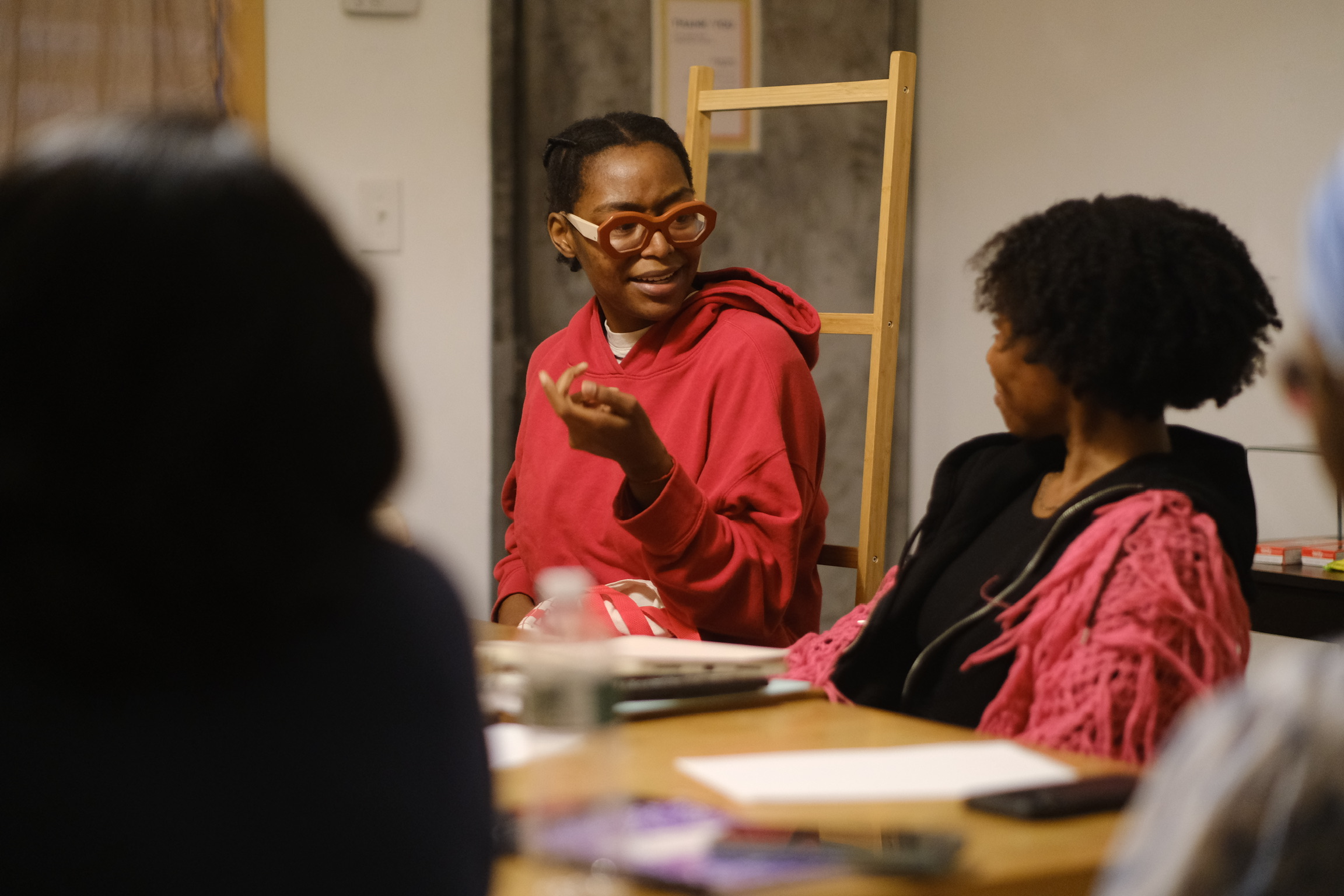
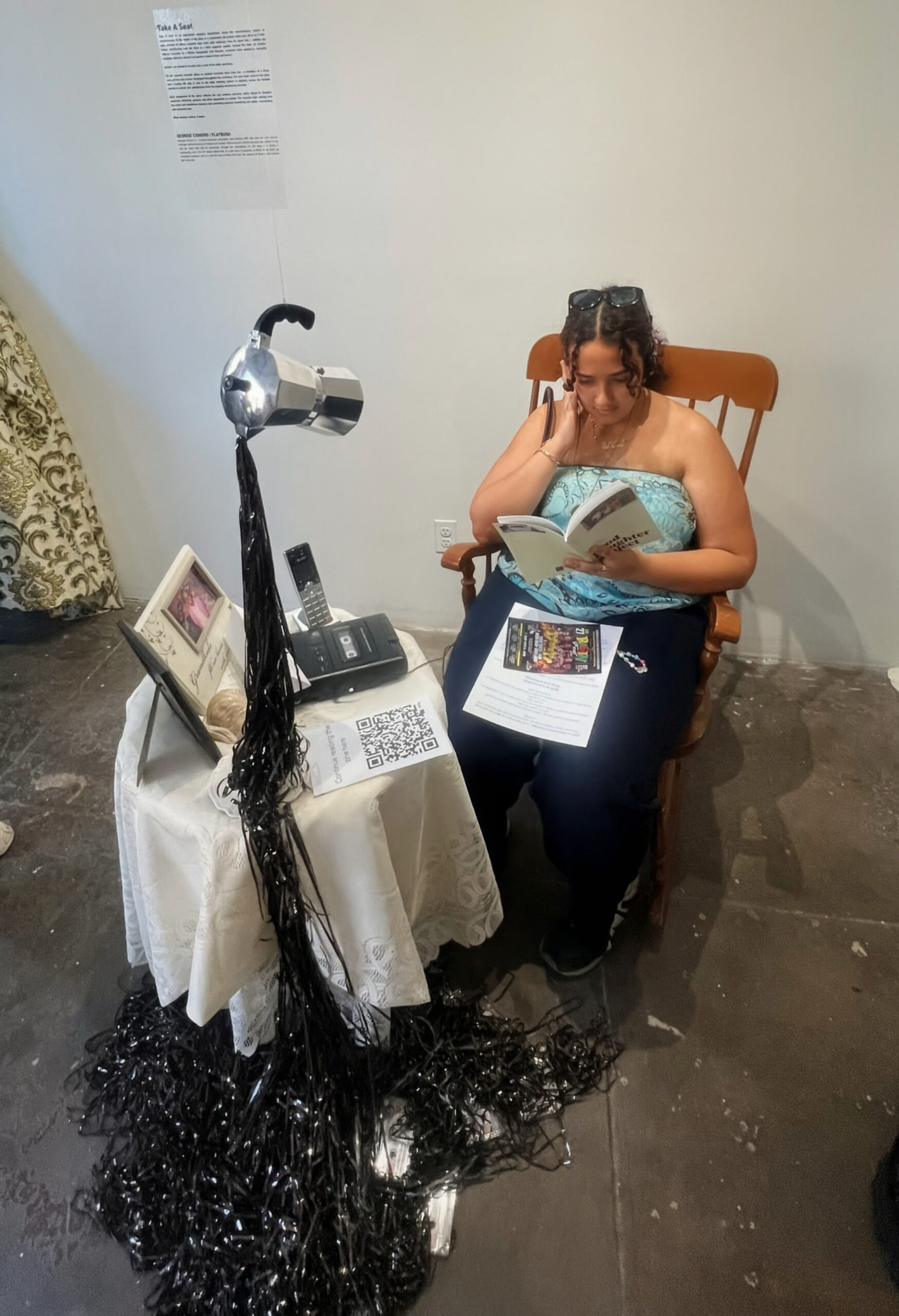
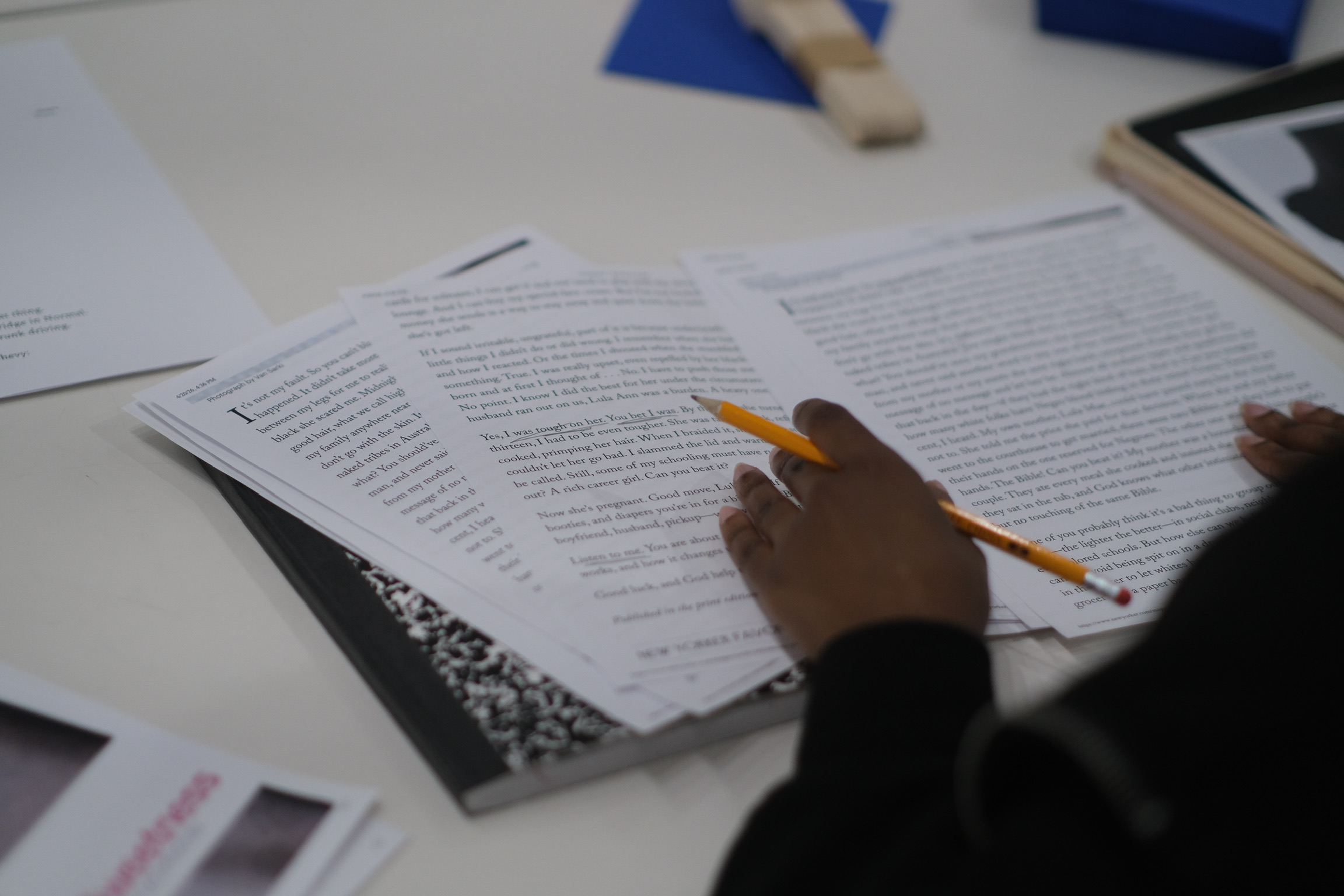
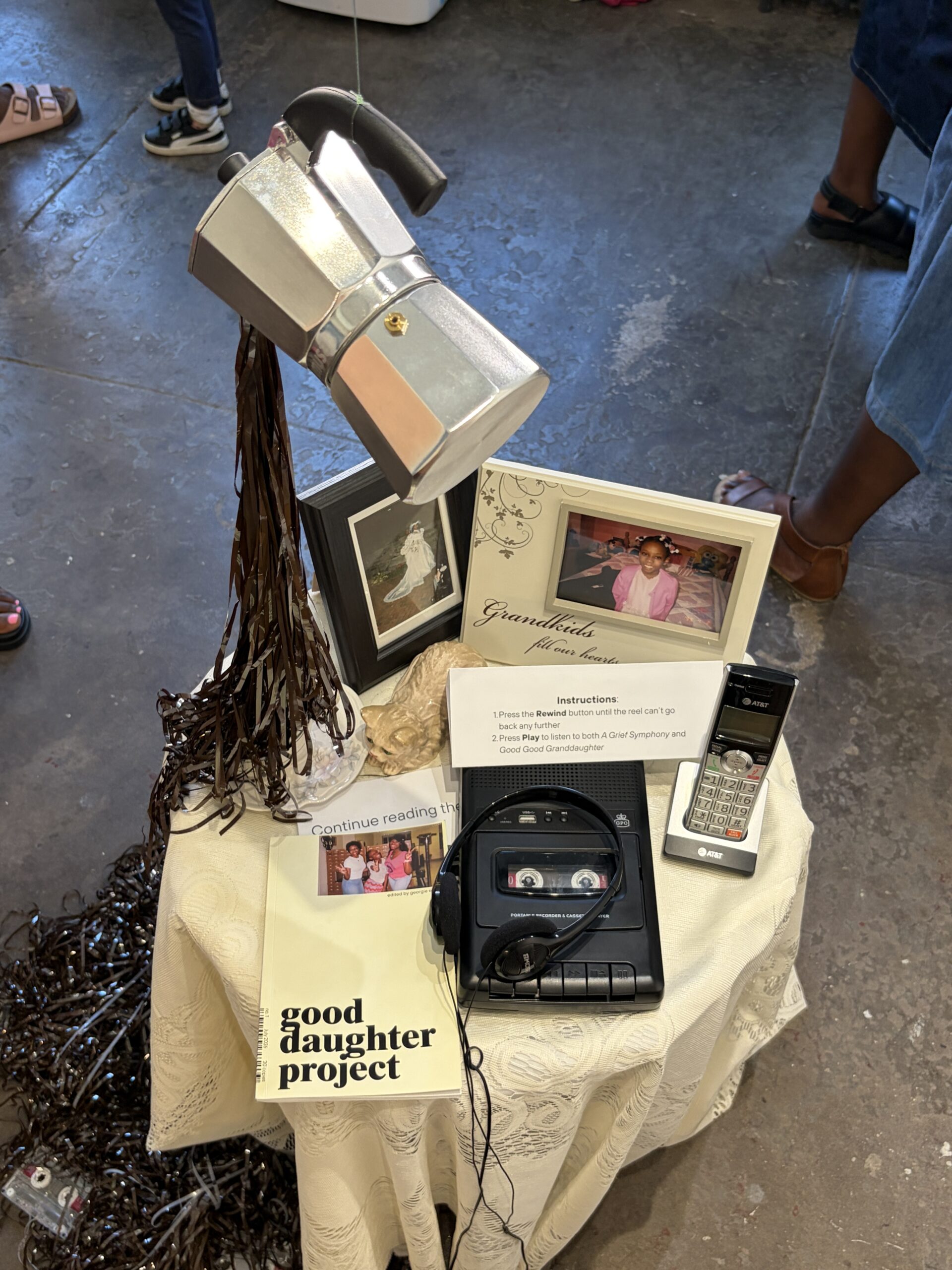
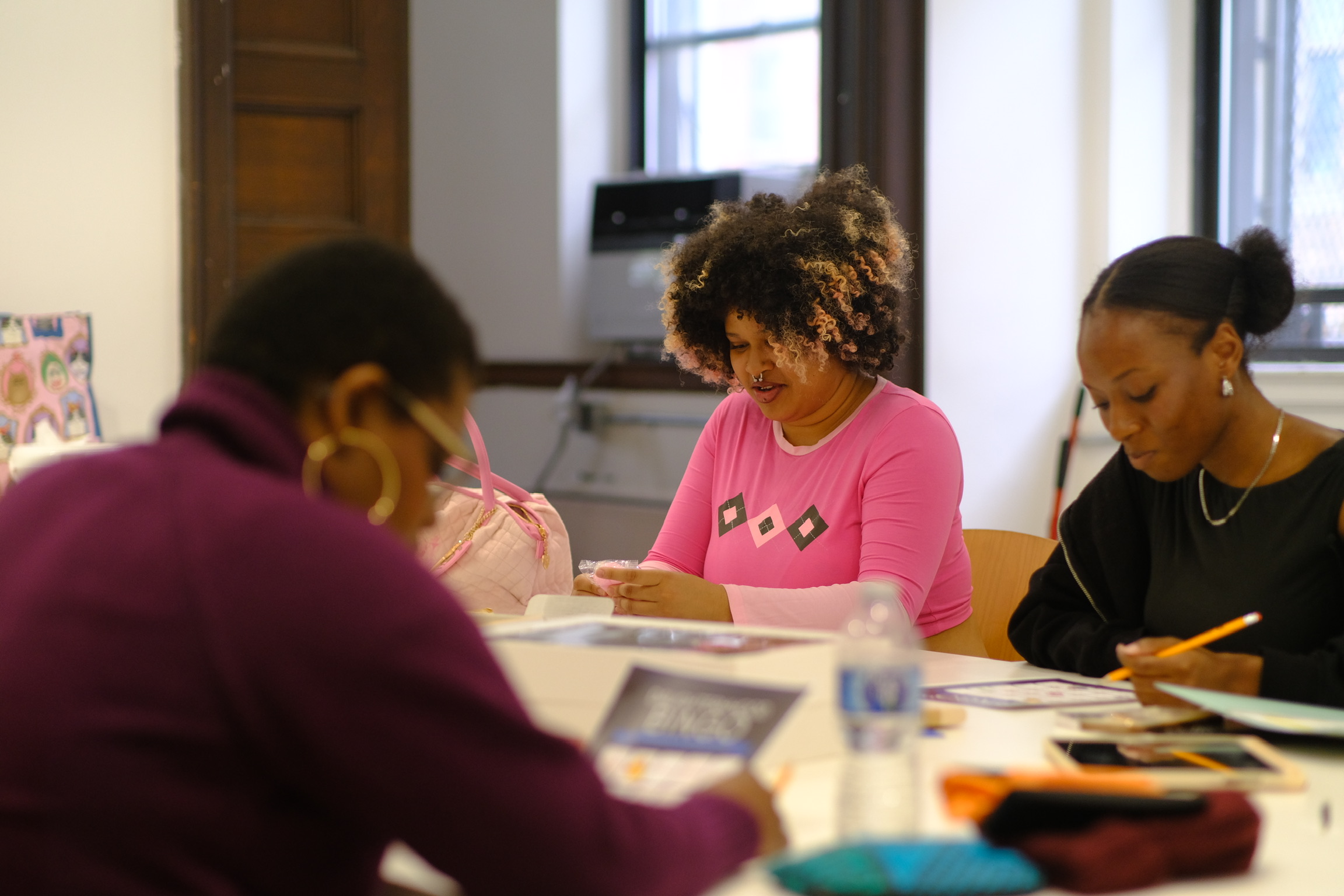
Photos by Georgie Exinord, Eugénie Dieudonné, and Micaela Walker.
Georgie Exinord’s Take A Seat is an interactive memory installation about the overwhelming nature of remembrance. At the center of the piece is a suspended old-school coffee pot, tilted as if mid-pour. Instead of coffee, cassette tape reels spill endlessly from its spout into a waiting cup below, overflowing onto the floor in a dark magnetic puddle. Around the table sit familiar objects evocative of a Haitian household: Café Bustelo, breakfast table ephemera, (possibly nostalgic domestic details that gesture toward ritual and home.)
Visitors are invited to literally take a seat at the table and listen.
An old cassette recorder plays an original recorded excerpts from The Good Daughter archive developed throughout the residency. The Good Daughter Project zine rests on the table, and a nearby QR code is also on the table allowing visitors to digitally access the broader archive of stories and submissions from the ongoing anonymous prompts.
Each component of the piece reflects the way memory operates within diasporic lineages: nonlinear, inherited, sensory, and often impossible to contain. The cassette tape pouring from the coffee pot transforms memory into something physical–something that spills, accumulates, and subsumes you.
When memory comes, it pours.
To every resident, workshop participant, neighborhood partner, mentor, funder, and supporter: thank you for making this year’s residency possible. A special thanks to the groups and institutions who offered their spaces to foster this project:
Brooklyn Public Library • Brooklyn Queens Land Trust • Haitian Studies Institute at Brooklyn College • Kafou Gallery • Rogers / Tilden / Veronica Place Garden