
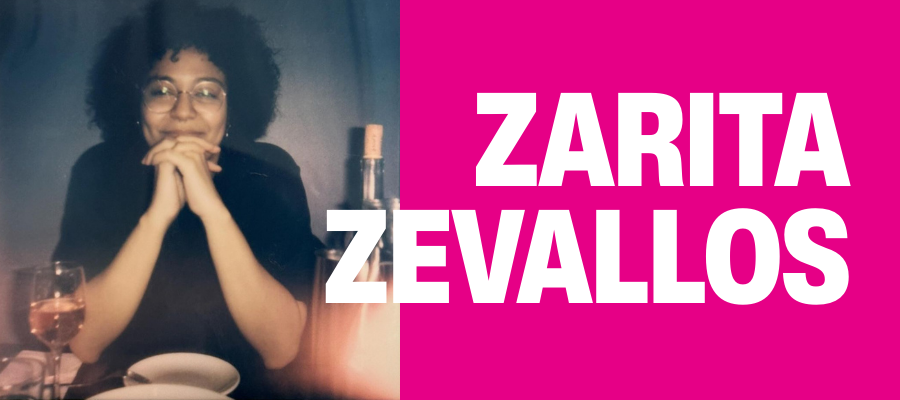
Zarita Zevallos — CANARSIE
Zarita Zevallos is a Haitian photographer, conceptual artist, and architect based in Brooklyn, New York. Her work blends photography with powerful materials—such as thread, bullets, glass, and barbed wire—to explore themes of identity, gender, political injustice, non-conformism, and authoritarianism. By hand-editing and superimposing images of darker-skinned bodies, she creates layered, immersive works that invite viewers to engage with both personal and collective subconscious impulses. For Zarita, art goes beyond the gallery, it is a tool for shaping identity, sparking dialogue, and inspiring transformative action. Her practice seeks not only to educate and raise awareness but also to ignite movement, challenge norms, and envision change through thought-provoking visual narratives. Zarita holds a Bachelor’s degree in Architecture from CUNY and a minor in Engineering from the Inter-American University, reflecting her academic journey in Puerto Rico. Her work has been exhibited at venues including Steven Kasher Gallery, Chashama, Haiti Cultural Exchange, Photoville, ICP Museum, and the University of Illinois Chicago, among others.
—
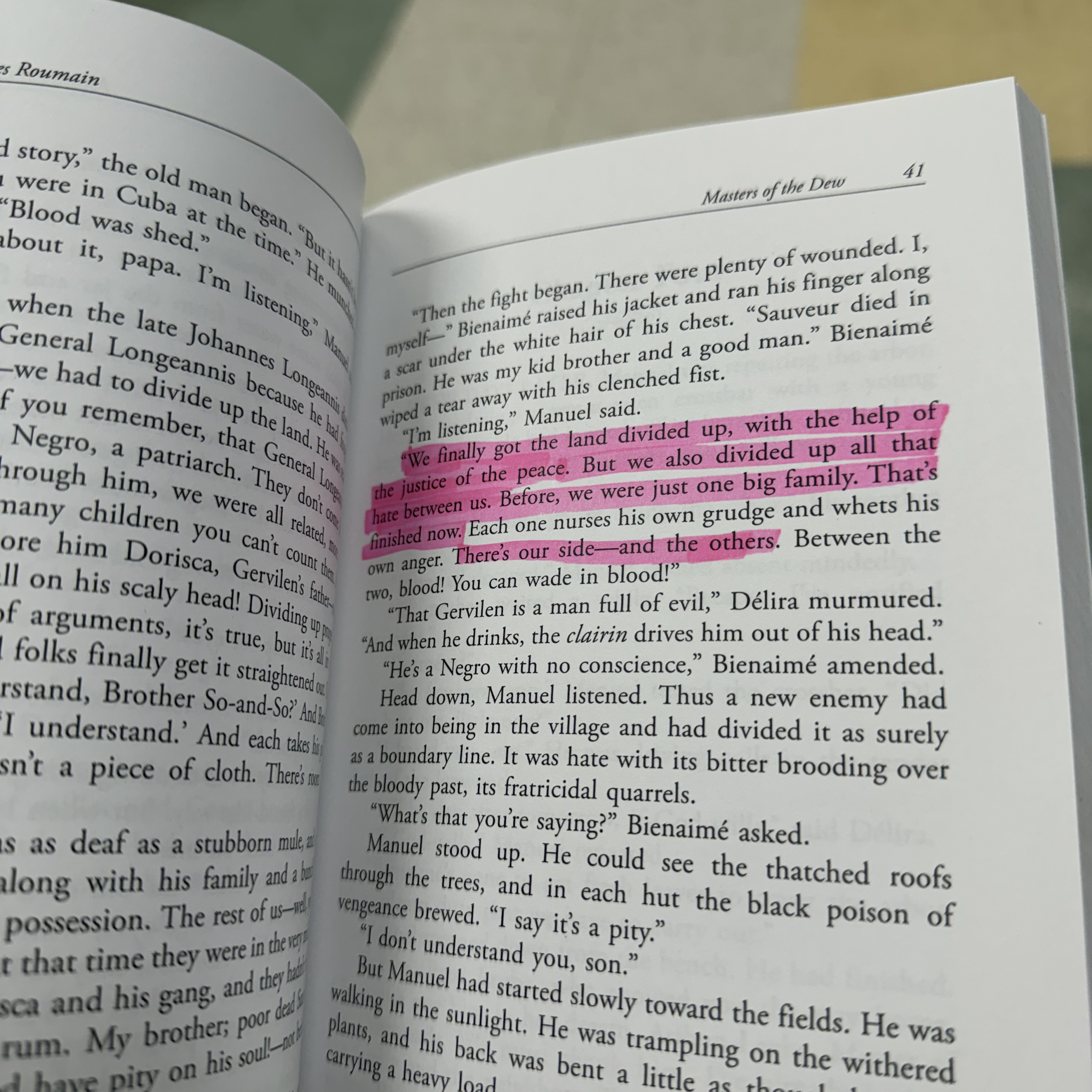
“My approach during the residency was centered on introducing participants to both new materials (Haitian book/philosophy) and new ways of creating (camera and film). I used Masters of the Dew by Jacques Roumain as a conceptual foundation while also introducing participants to beginner-friendly cameras and film photography as an accessible creative medium. What makes this workshop unique is connecting to the immediate environment, photography and storytelling, to create conversations around identity and belonging.
Throughout the residency, I wanted to explore themes of Haitian identity, community labor, displacement, and the importance of reconnecting with one’s roots. By drawing parallels between the experiences in Masters of the Dew and contemporary Haitian realities.
These photography and reading sessions informed my process by allowing me to witness how deeply personal and intergenerational the themes in the book still are within the Haitian experience. One of the most impactful moments was seeing how shocked participants were by how philosophical, timeless, and still deeply relevant the story remains today.
A participant in their 70s shared that they could still vividly picture the practice of “Konbit” from their childhood, recalling the spirit of collective labor and mutual support that once defined many Haitian communities.
What I learned most from the residency is that themes of displacement, community care, and reconnection resonate across ages, and that art and literature can create powerful spaces for remembrance, dialogue, and cultural preservation.
In the novel, [the central protagonist] Manuel speaks about the relationship between the heavens, the gods, and humanity, emphasizing that while spirituality is important, people must also take responsibility for the conditions of the earth and their communities rather than waiting passively for divine intervention. This idea became central to my installation concept.”
– Zarita Zevallos
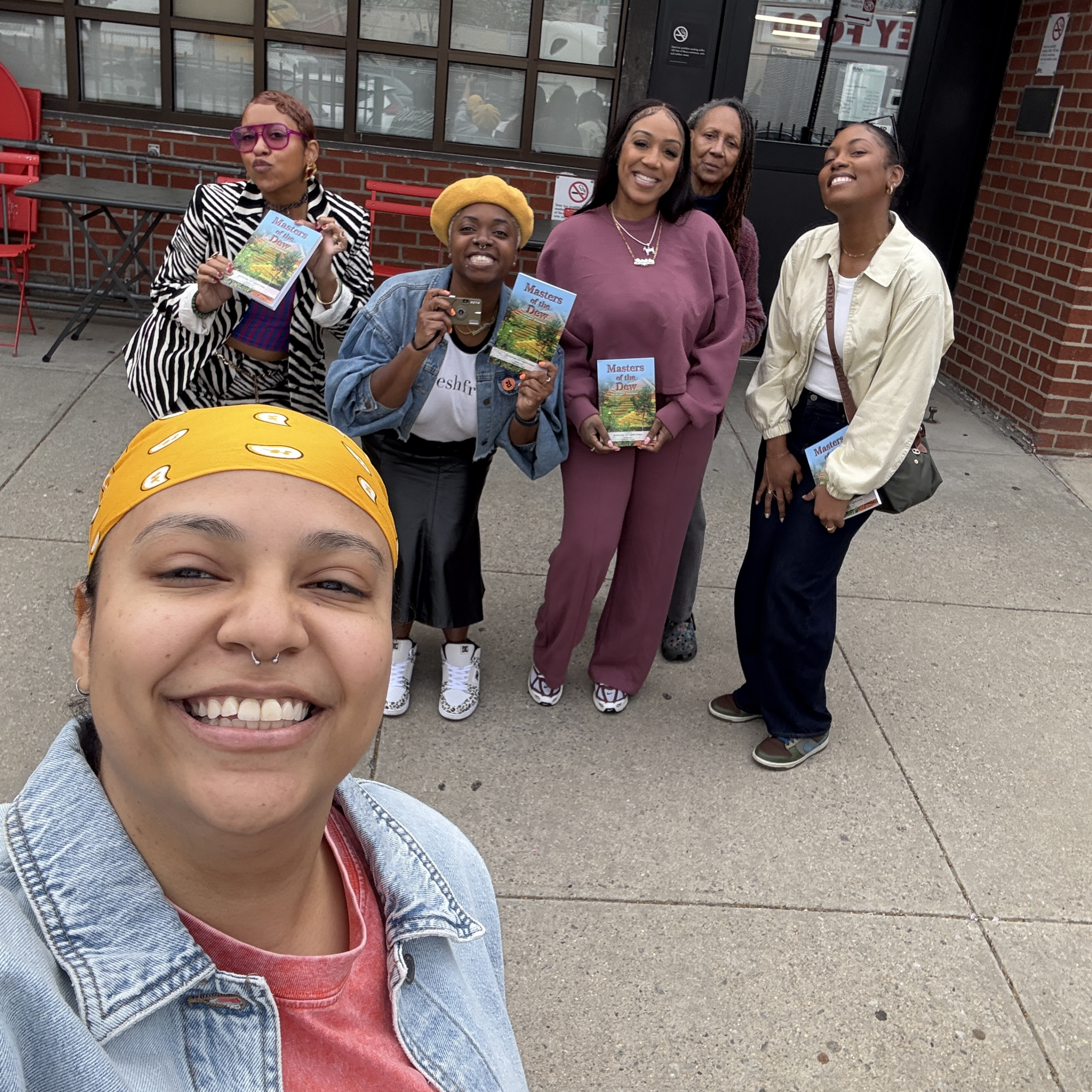
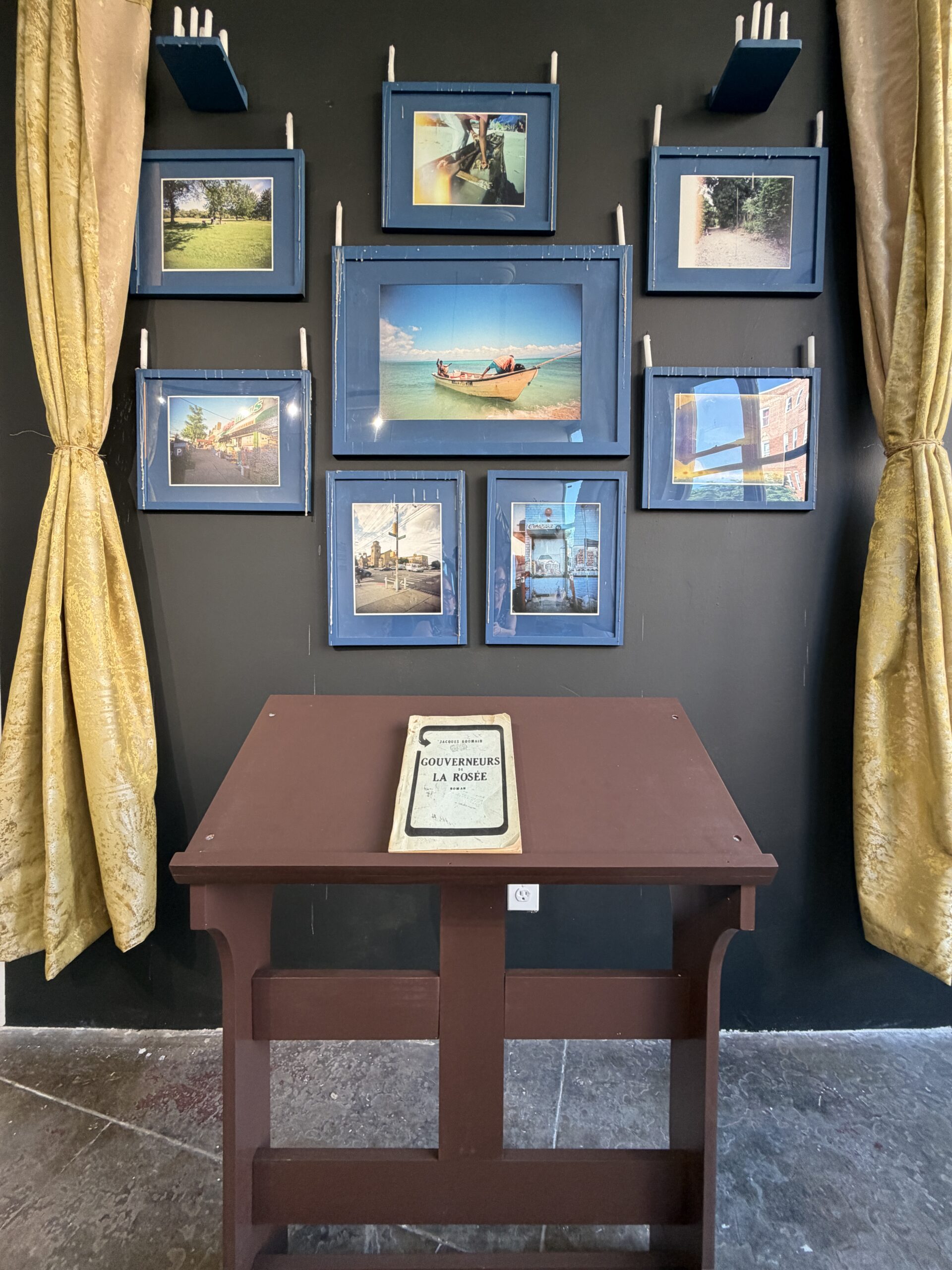
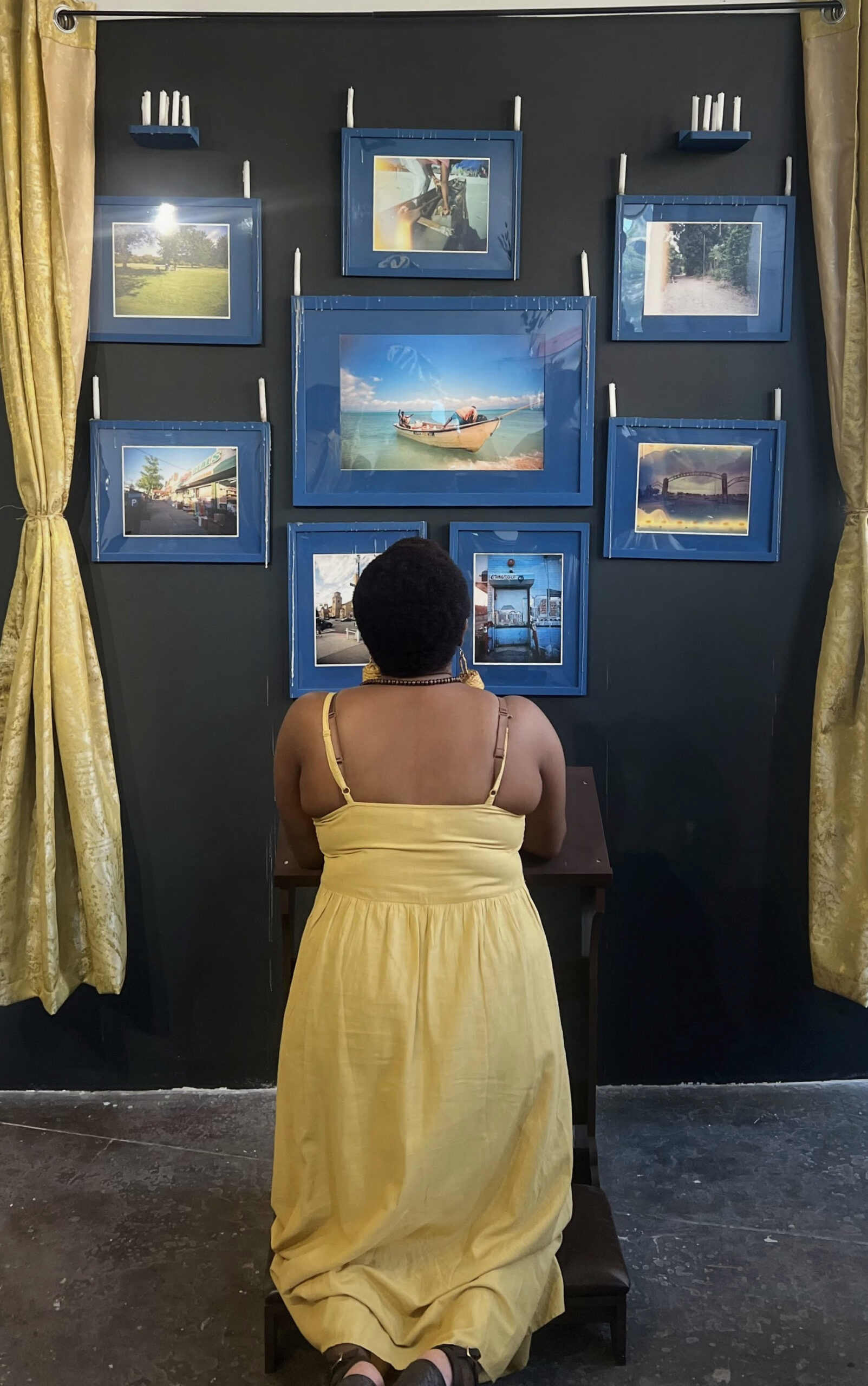
Photos by Zarita Zevallos, Eugénie Dieudonné, and Micaela Walker
Janbe Dlo explores the relationship between spirituality, labor, and community responsibility through participant-created photographs documenting Canarsie. Inspired by Jacques Roumain’s Masters of the Dew, the work draws parallels between the novel’s themes of displacement, despair/survival, and reconnection to land and the realities of contemporary Haitian communities.
Photographs produced during the residency are partially obscured with poured wax, referencing both water, a central symbol in the novel, and the presence of candles within Haitian spiritual and religious practices, including Vodou. The superimposition (wax) transforms the photographic surface into an object of ritual and reflection.
The participant-created photographs documenting Canarsie ground the work in lived experience and community authorship, transforming everyday landscapes into records of presence, belonging, and observation. By incorporating images created by multiple participants, the work emphasizes collective storytelling (konbit) rather than a singular perspective. The poured wax partially obscuring the photographs references water, a central motif in Masters of the Dew, while also evoking candles used within Vodou and religious practices. The wax simultaneously preserves and conceals the image surface, reflecting the fragility of memory, and inherited histories. Shelves holding candles and offerings introduce the language of ritual and remembrance into the installation. These elements function as gestures toward ancestors, spiritual practices, and acts of communal care that continue to shape Haitian identity across generations.
The kneeler placed before the photographs invites viewers into a participatory act of reflection. Its presence transforms the viewing experience into an intimate encounter centered on contemplation, responsibility, and connection. Together, these elements reinforce the installation’s broader exploration of how communities sustain themselves through memory, ritual, labor, and mutual care. Consider how displacement and survival continue to influence modern day Haitians, while emphasizing the power of community labor as a form of resistance. By incorporating acts of contemplation and participation, the installation encourages audiences to reflect not only on the stories captured within the work, but also on their own relationships to community, care, and responsibility toward others.
To every resident, workshop participant, neighborhood partner, mentor, funder, and supporter: thank you for making this year’s residency possible. A special thanks to the groups and institutions who offered their spaces to foster this project:
Atizay Art Collective • Brooklyn Public Library • Kafou Gallery • Wyckoff House Museum • Special Thanks to the Community Photographers: Axelle Baril, Kervens Delpe, tasha dougé, Patricia Jean Louis, Julia Jean Louis, and Alexa Zevallos.